CHARITY WEB DESIGN AGENCY
Helping charities thrive in the digital world
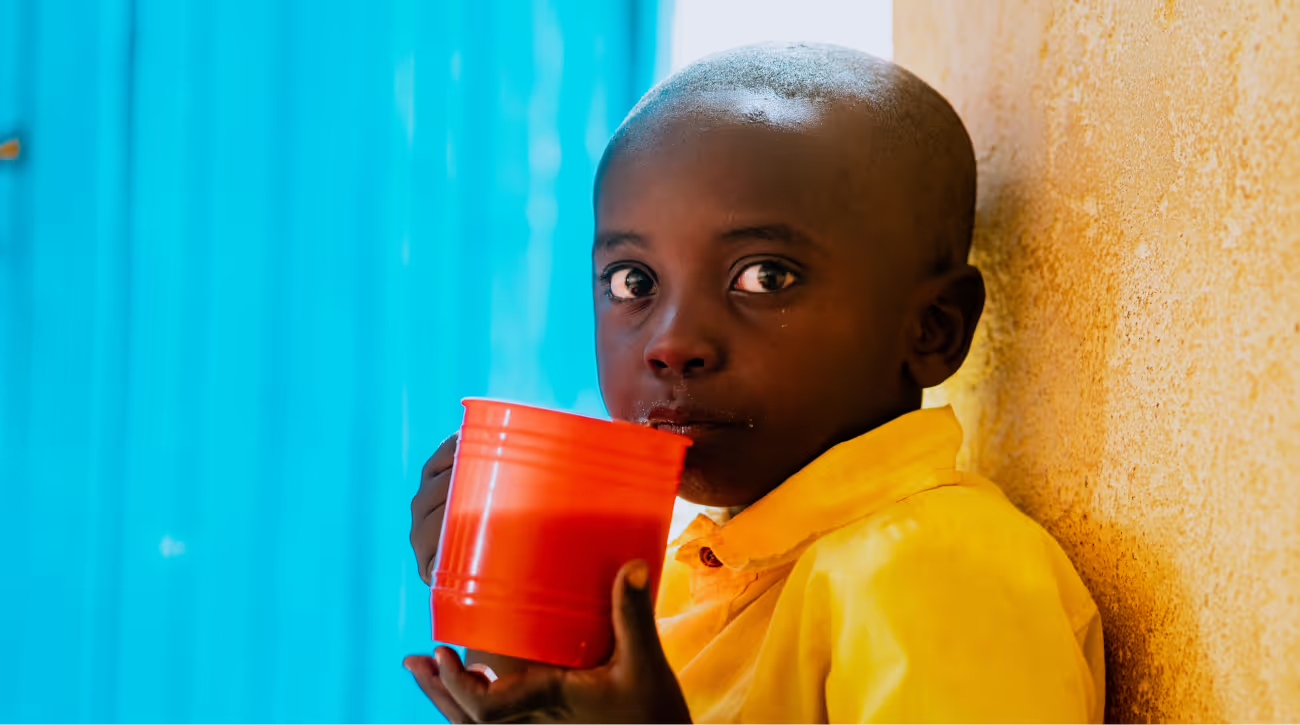
Whether you are raising funds for a cause, supporting people through a crisis, or helping someone find critical information at 2am, your site needs to work as hard as your team does. As a charity website design and development agency, we build sites that make it easy for people to give, and just as easy for people to find the support they came for.
How can
we help?
Every charity and non-profit organisation has different goals. Here are the things we are most often asked to help with.
A CMS your team love
Your content editors spend more time in your CMS than almost anyone. It should be a tool they enjoy using, not one they work around.
Raise awareness
You need people to know what you're doing and why it matters. Whether you're launching a campaign, announcing a lineup, or building momentum for a cause, your digital presence needs to cut through.
Improve engagement
You need people to stay, explore, and return. That means understanding how your audience actually behaves on your site, not just how you hope they will.
Increase digital fundraising
Whether that means more donations, more ticket sales, or more people completing a booking, every journey on your site should make it easy to act.
Charity website design
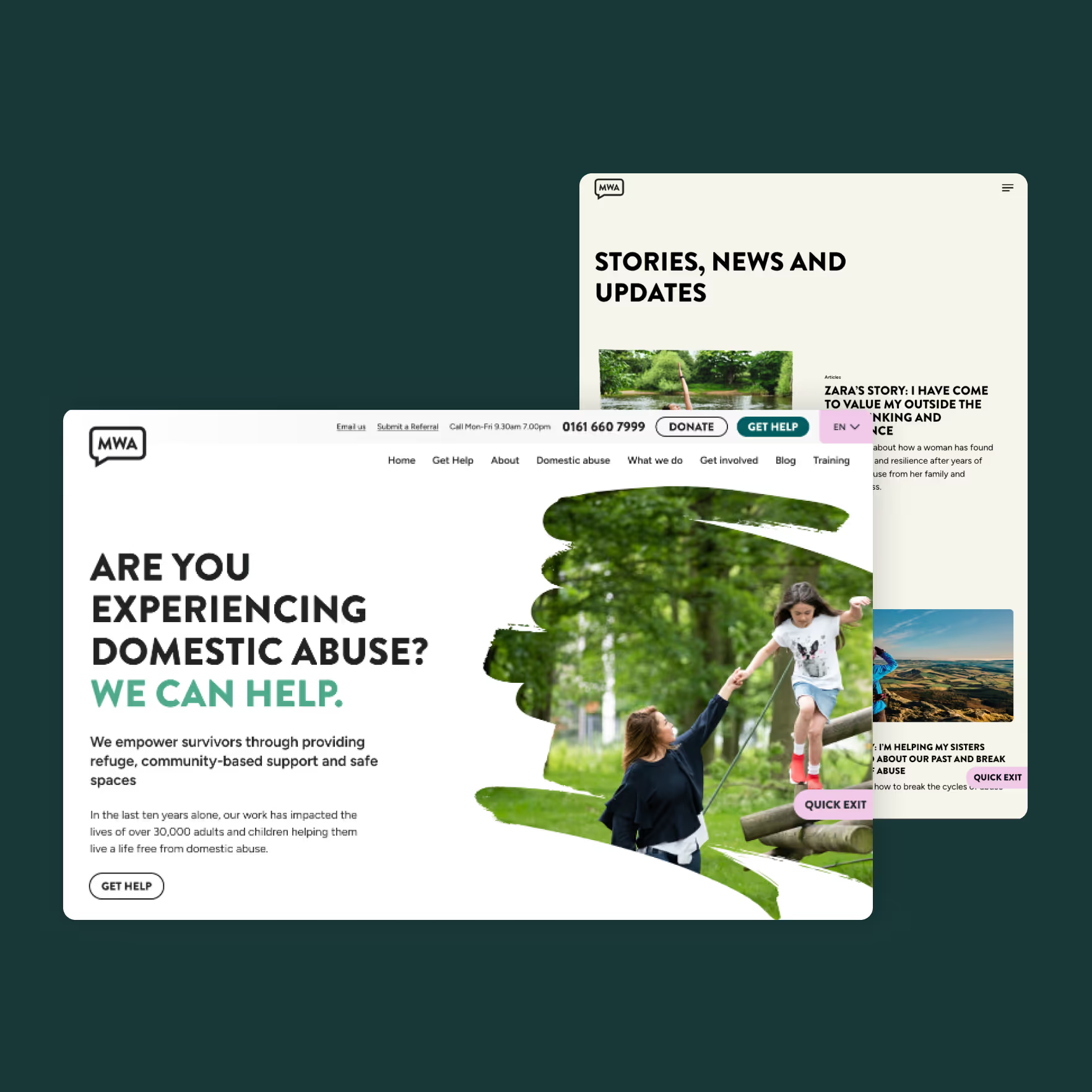
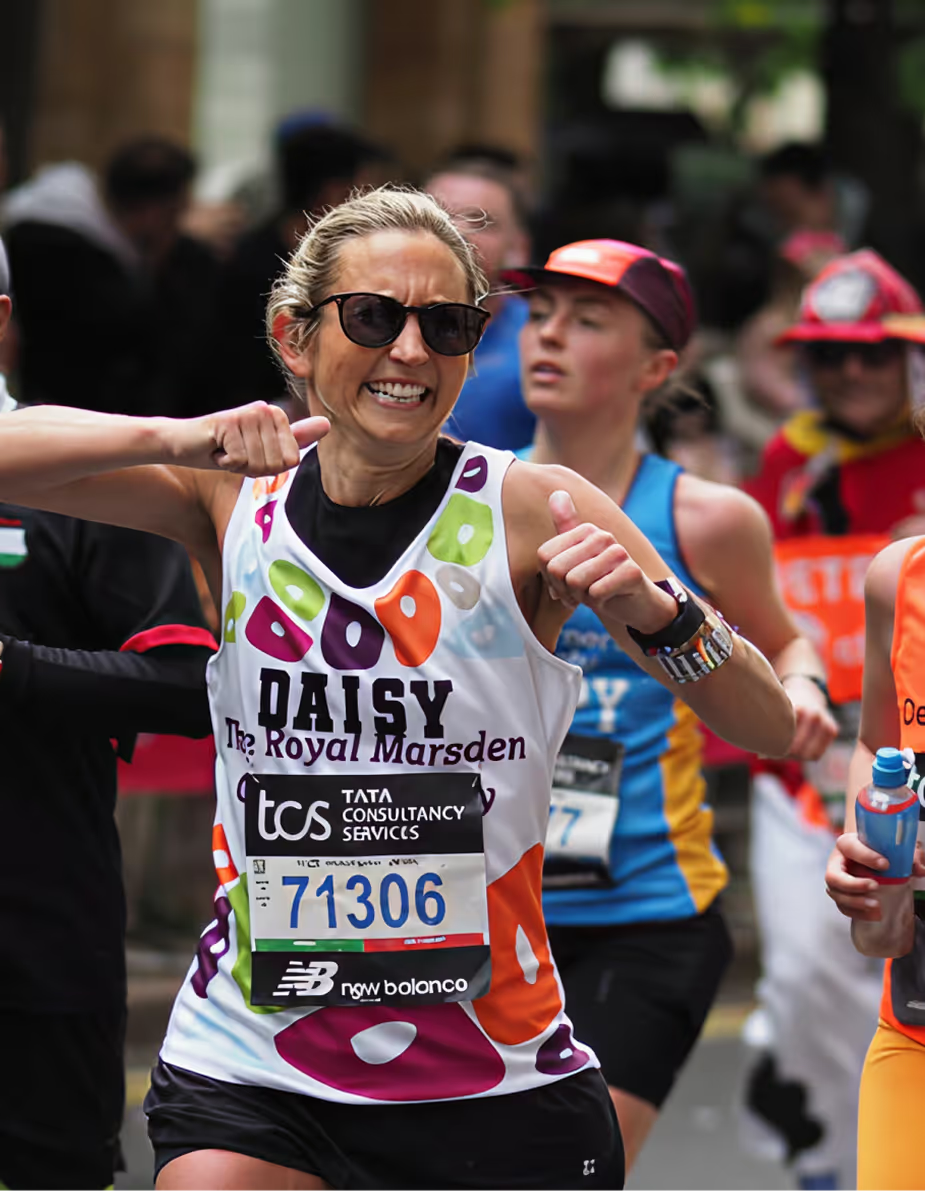
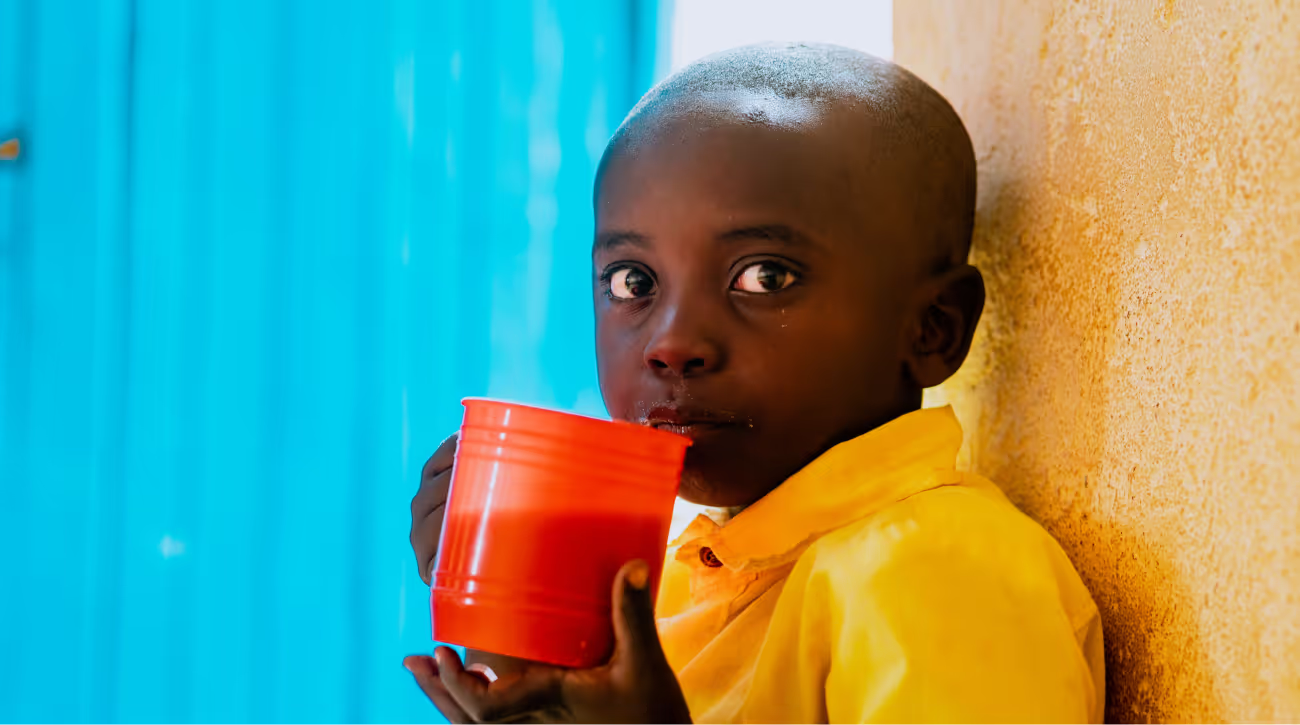
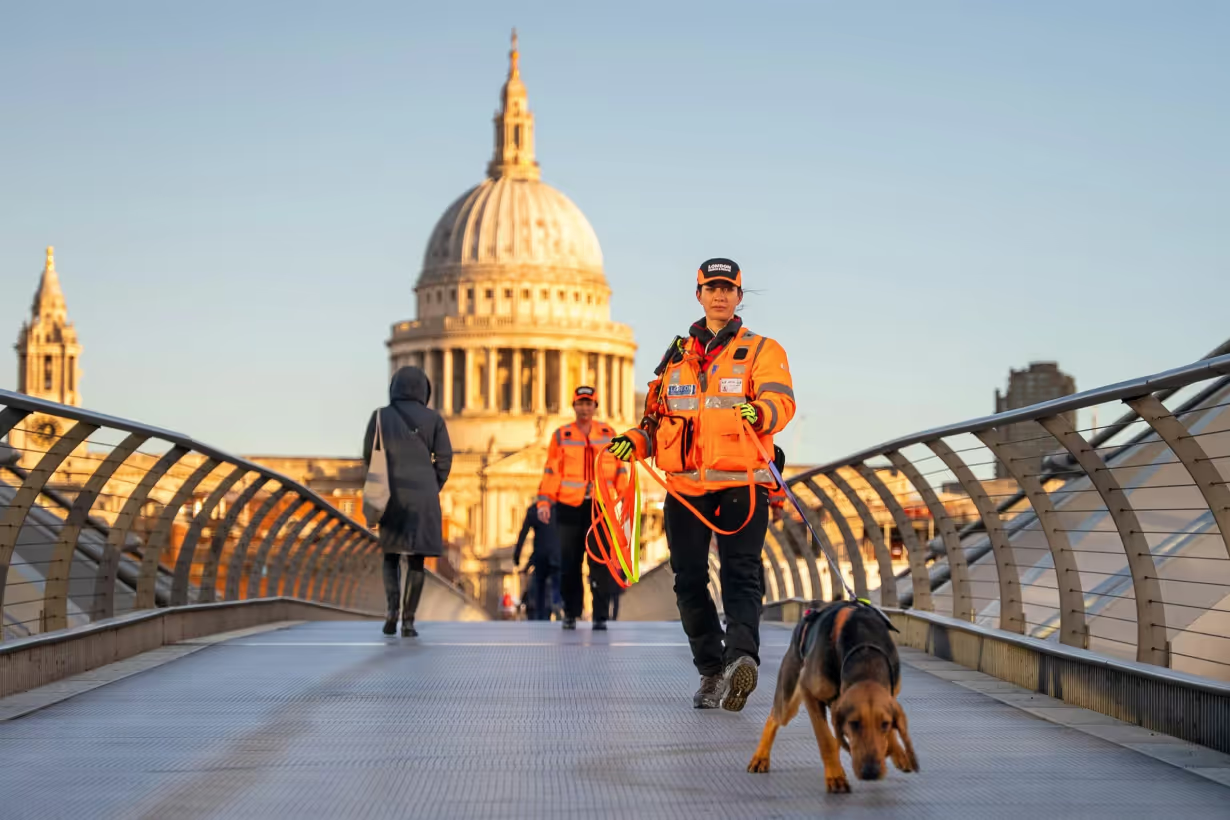
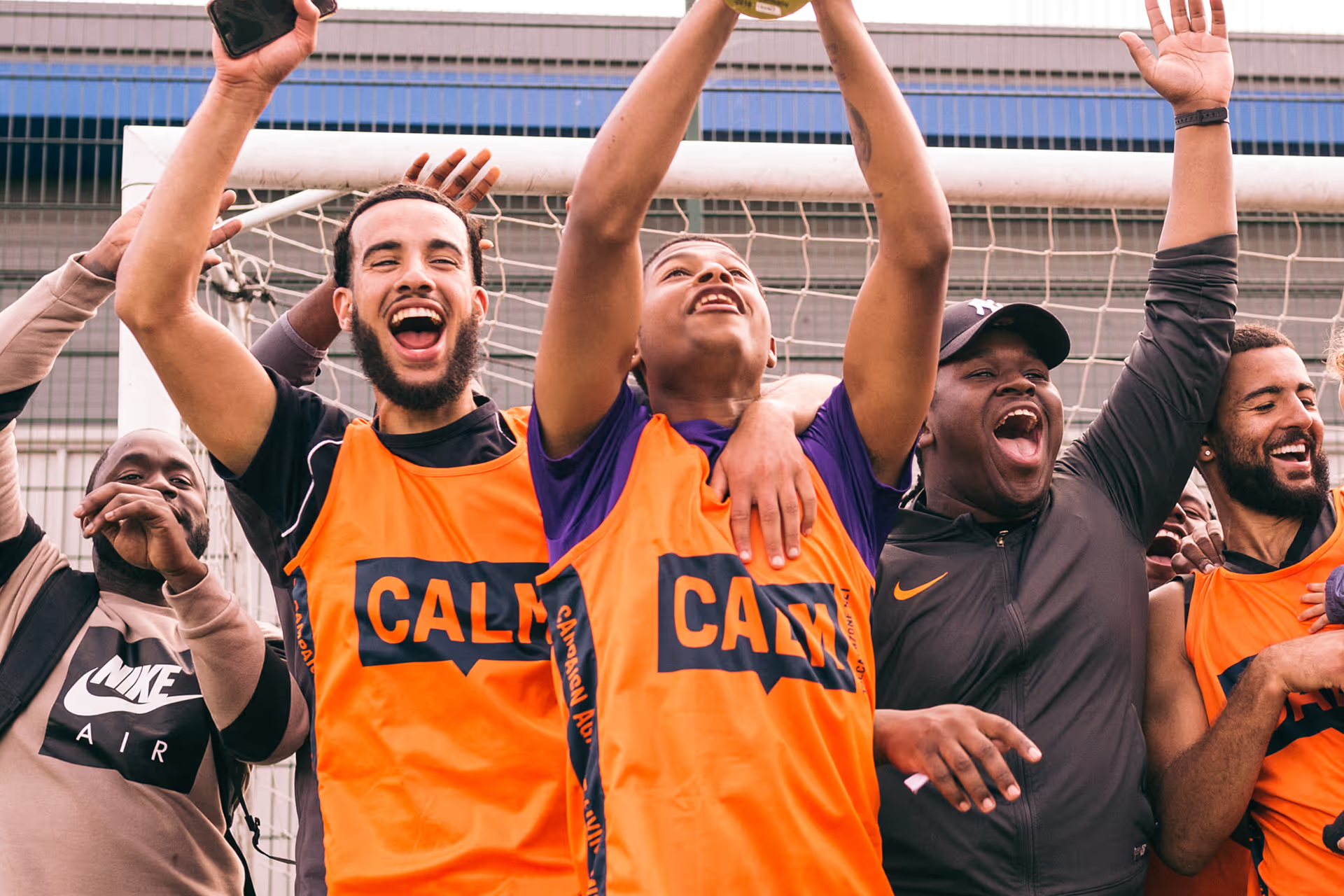
We have built charity websites for organisations including CALM, Manchester Women's Aid, and Royal Marsden Cancer Charity.
We have designed donation flows that have measurably increased fundraising, built sites that need to hold a calm, clear hand for someone in distress, and created platforms that move hospital supporters to give again. No two non-profits need the same thing from their charity web design, and we do not treat them as if they do.
Expert in design, expert in development, building on Craft CMS and Webflow. Proactive partners, not just suppliers.
Who we've
helped
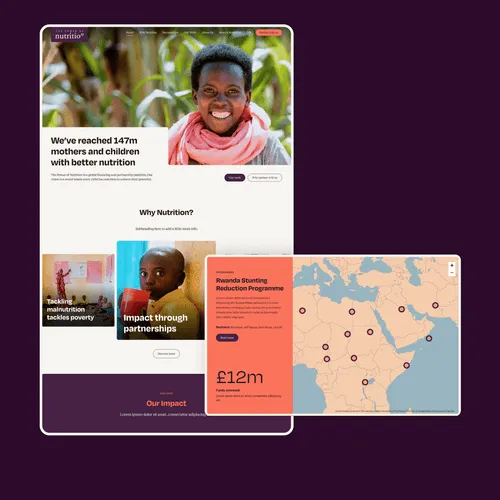
Our projects have purpose - for clients, users and the world. From boutique-branding to digital infrastructure for global charities, via eye-popping editorial for the film industry and user-experience design for world-changing startups.
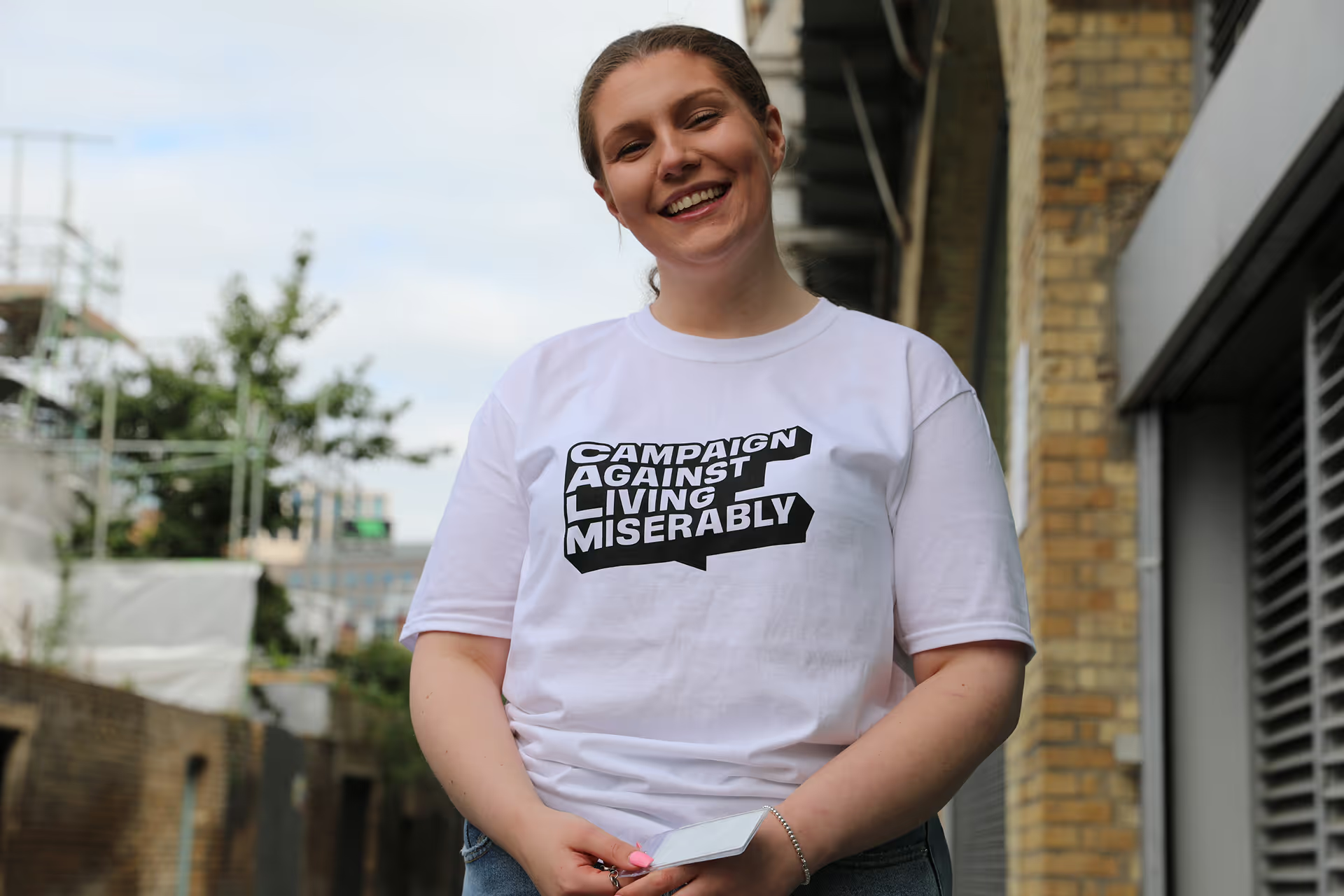
Subism worked closely with our team on complex areas of CRM and Craft CMS integration. They are a really approachable and friendly team of experts - highly recommended!
Charity website design and development
We design and build charity websites and provide ongoing support and maintenance, built on Craft CMS and Webflow.
Charity website design and build
We design and build bespoke charity websites from discovery through to launch, with your audiences, your content, and your fundraising goals at the centre. No templates. No outsourcing.
Donation journey design
We design and build donation flows that reduce friction and increase conversion — from the first click to the completed transaction. Integrated with FundraiseUp, Salesforce, Beacon CRM, Stripe, and others.
A CMS for your content team
We build on Craft CMS and Webflow, both chosen because your team can actually use them without raising a support ticket. Update campaigns, publish appeals, and manage content in real time.
Accessibility and performance
Your site needs to work for every person who visits it, including those accessing it in a moment of crisis or on an older device. We build to WCAG 2.1 AA accessibility standards and optimise for performance as standard.
Maintenance & support
We stay involved after launch. Security updates, performance monitoring, new feature development, and a team that already knows your site when you need something done quickly.
Need an integration?
Here's a selection of systems we've integrated with. Need something else? Let's have a chat.












A friendly and approachable charity web agency in London and Derby
We work with charities and non-profits at every stage, from first brand identity through to ongoing digital development. If you want to find out whether we are the right fit, get in touch for a no-obligations conversation.
Questions about charity website design
How much does a charity website cost?
Charity website projects with Subism typically range from £10,000 to £60,000 depending on the scale, complexity, and number of integrations involved. Smaller organisations with straightforward content requirements sit toward the lower end; larger charities needing custom CRM integrations, donation flows, and complex content architecture sit higher. We scope every project individually and give you a clear, itemised estimate before any work begins. If your budget is fixed, tell us what it is — we would rather help you plan something realistic than quote blind.
Can you help us raise more money through our website?
Yes, and it is one of the things we focus on most for charity clients. Increasing online donations usually comes down to reducing friction in the giving journey, building enough trust before you ask someone to give, and making sure the right people are finding your donation page in the first place.
Can you integrate our website with our CRM or fundraising platform?
Yes. We can build integrations between charity websites and CRMs including Salesforce, Raiser's Edge, Donorfy, and HubSpot, as well as fundraising and donation platforms including JustGiving, Donorbox, Enthuse, and Stripe. We understand the specific data requirements of the charity sector and build integrations that are properly documented and maintained after launch, so your team is not left dependent on us every time something needs updating.
Will our team be able to update the website without needing a developer?
Yes — and that is a requirement we build to, not an afterthought. We build on Craft CMS and Webflow, both chosen specifically because content editors can use them confidently without technical help. Your team can publish and update content, manage campaign pages, update donation appeals, and make structural changes without raising a support ticket. We run training sessions as part of every project handover and are available for support afterwards.
Do you build accessible websites?
Yes. We build to WCAG 2.1 AA accessibility standards as standard on every project. For charities this matters more than most: your website may be accessed by people in distress, people with disabilities, or people using assistive technology to find critical information. Accessibility is not an add-on for us — it is part of how we build. We test for keyboard navigation, screen reader compatibility, colour contrast, and performance on low-powered devices throughout the build process.